
Beds That Drain Without Pooling
Mulch & Rock Installation in Burlington for garden beds and landscaping areas prone to spring water accumulation
Vermont's freeze-thaw cycle causes soil to heave and settle unevenly, creating low spots in garden beds where water pools during snowmelt and spring rain. Mulch and rock installation addresses drainage problems while regulating soil temperature and suppressing weed growth. Towsley Handyman Services LLC provides stone work and mulch layering for residential landscaping in Burlington, selecting materials based on aesthetic preferences and functional requirements. You need this when beds hold standing water after storms, mulch has decomposed to the point where soil is exposed, or plantings struggle due to temperature fluctuations in the root zone.
Installation begins with bed preparation—removing old mulch that has compacted or broken down, grading soil to eliminate low spots, and edging the perimeter to contain new material. Rock installation requires assessing drainage patterns and placing stone where water flow needs guidance away from foundations or plantings. Mulch layering involves spreading material evenly at a depth that insulates roots without smothering plant crowns or creating habitat for pests.
Schedule a site assessment to determine which areas need rock for drainage control and which benefit from organic mulch.
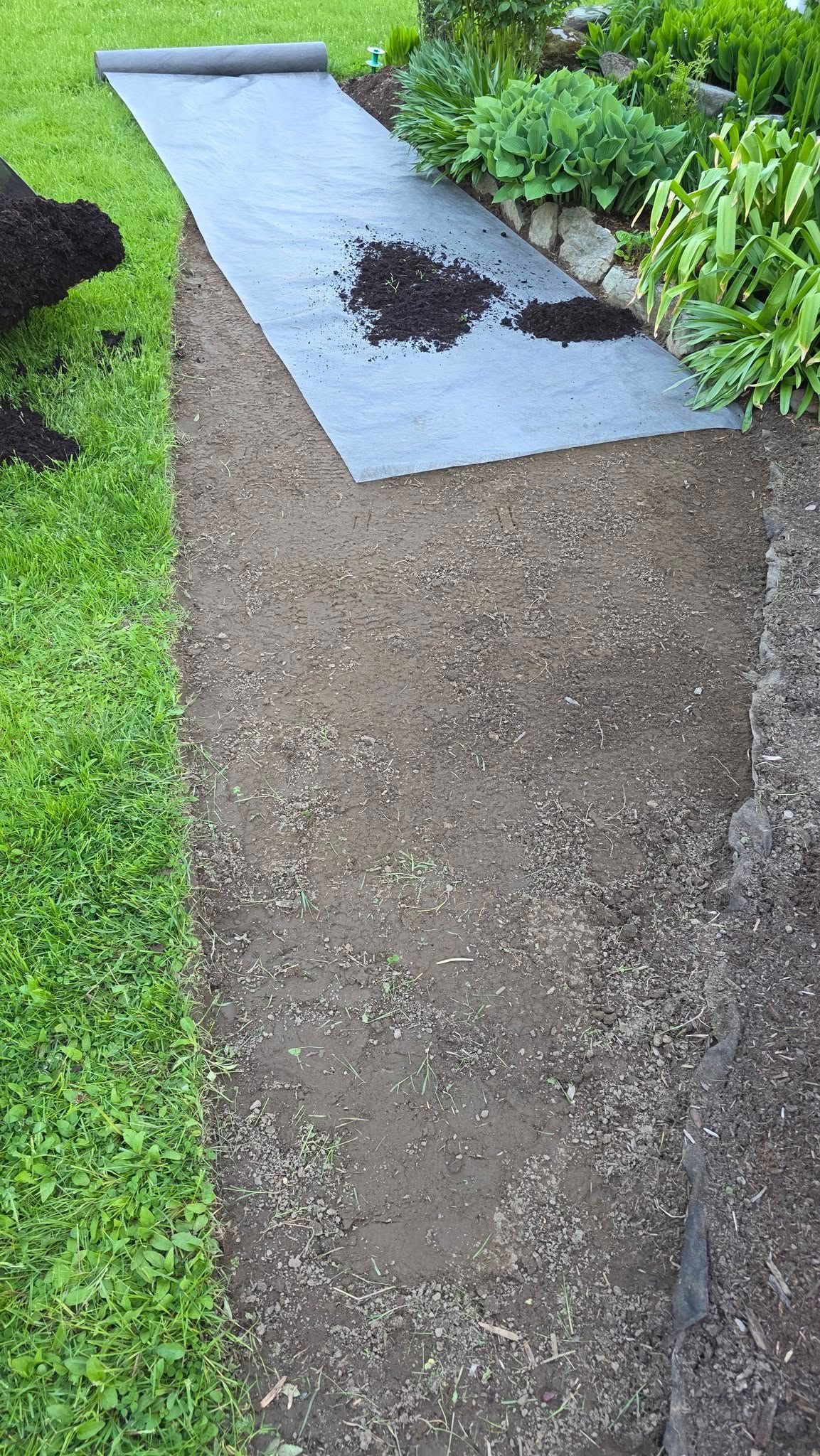
What Proper Installation Requires
Material selection depends on site conditions—rock works where erosion control or long-term stability matters, while organic mulch suits planted beds where soil improvement over time is beneficial. Edging installation creates a physical barrier that keeps mulch and rock contained during rain and prevents lawn grass from migrating into landscaped areas. Proper depth matters for both materials: too thin and weeds penetrate easily, too thick and water can't reach plant roots or mulch becomes a fire hazard near structures.
Once installation is complete, beds drain visibly faster after rain, with no standing water remaining hours after a storm ends. Mulch coverage looks consistent across the entire bed, with uniform color and texture that doesn't reveal patches of bare soil underneath. Rock installations channel water along intended paths, preventing erosion gullies from forming where runoff concentrates during heavy precipitation events common in spring.
Maintenance requirements differ by material—organic mulch decomposes gradually and requires replenishment every one to two years, while rock remains stable but may need occasional resettling if frost heave displaces individual stones. Mixed installations use rock along bed perimeters where erosion occurs and mulch in planted areas where soil enrichment benefits plant health.
Questions Before Starting Your Project
Property owners in Northern Vermont considering mulch or rock installation typically need clarity on material choices, depth requirements, and longevity before proceeding.
What type of rock prevents erosion without creating drainage problems?
Angular crushed stone interlocks to resist displacement during runoff, while rounded river rock allows water to flow through gaps, making material choice dependent on whether you need erosion control or improved infiltration.
How deep should mulch be installed for effective weed suppression?
A three-inch layer blocks sunlight from reaching weed seeds in the soil below while allowing rain to penetrate to plant roots, with depth measured after the mulch settles naturally over the first few weeks.
Why does mulch need replacement if it's still visible?
Organic mulch decomposes from the bottom up as soil organisms break it down, so surface appearance can look adequate even when the layer has thinned below the depth needed to regulate soil temperature and prevent weed germination.
When is the best time for mulch installation in Northern Vermont?
Late spring after soil warms but before summer heat arrives allows mulch to moderate temperature swings during the growing season, though fall installation works if the goal is winter protection for perennials.
What determines whether rock or mulch is the better choice?
Rock suits high-traffic areas, slopes with erosion concerns, and spaces where long-term stability outweighs soil improvement, while mulch benefits planted beds where decomposition enriches soil and supports root health over time.
Towsley Handyman Services LLC handles stone work and mulch installation for landscaping projects requiring proper drainage and material selection suited to Vermont's climate. Arrange a property visit to identify which bed areas need attention and discuss material options based on your specific site conditions.