
Structures Built for Snow Load
Fence & Deck Installation & Repair in Burlington for properties dealing with frost heave and winter damage
Heavy snow accumulation and freeze-thaw cycles in Vermont stress fence posts and deck fasteners beyond what's common in milder climates—posts heave out of alignment as soil expands, wood splits when trapped moisture freezes, and fasteners corrode from repeated wet-dry cycles. Towsley Handyman Services LLC installs and repairs fences and decks for residential properties in Georgia, selecting materials and fastening methods that account for structural demands specific to this region. If fence sections lean noticeably, deck boards feel spongy underfoot, or gates no longer swing freely, the underlying structure has likely failed due to seasonal stress.
Installation work includes setting posts below frost line depth to resist heaving, using galvanized or stainless fasteners that withstand moisture without rusting, and selecting lumber species that tolerate repeated freeze-thaw cycles without excessive checking or warping. Repair involves identifying which components have failed structurally versus cosmetically—replacing rotted posts, reinforcing connections where snow load has pulled fasteners loose, and re-leveling deck frames that have settled unevenly.
Request an evaluation to determine whether your fence or deck needs isolated repairs or full replacement based on the extent of structural compromise.
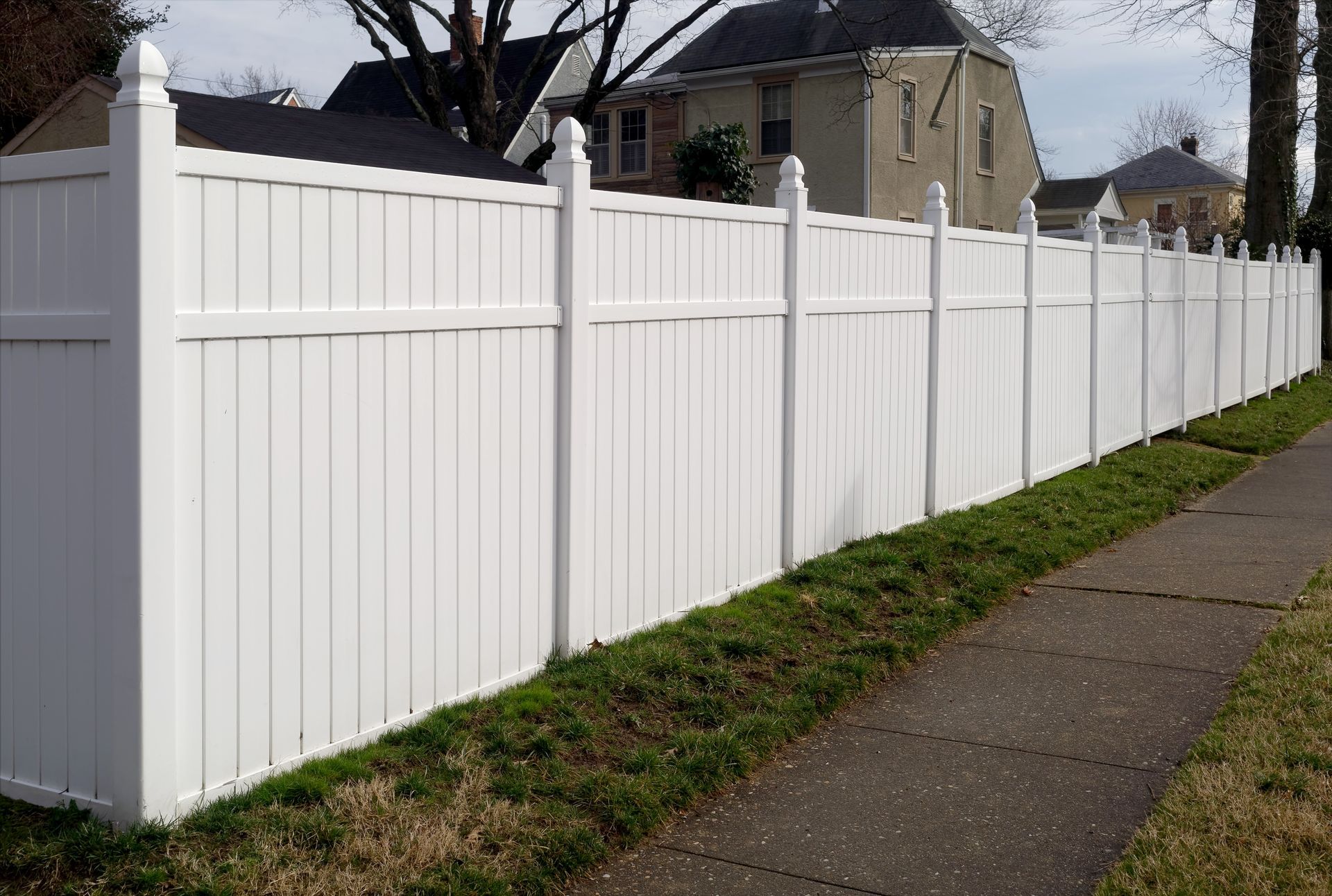
Why Regional Climate Affects Installation Methods
Fence posts must extend at least 42 inches below grade in Georgia to sit beneath the frost line, preventing the upward heave that loosens post stability and throws fence lines out of plumb. Chain link fence installation requires tensioning wire correctly so snow load doesn't sag the fabric permanently, and gate hinges need fasteners driven into solid wood rather than end grain to prevent loosening as the gate swings repeatedly under load. Deck construction demands joist spacing that supports snow weight without excessive deflection, and drainage design that prevents ice dams from forming where water collects and refreezes.
After installation, fences stand vertically plumb with no visible lean, gates swing without binding or sagging, and latches engage cleanly without lifting or forcing. Deck surfaces drain without puddles, boards sit flush without protruding fasteners, and railings feel rigid when you lean against them. Towsley Handyman Services LLC currently estimates chain link fence gate installations and handles both new construction and repair work for existing structures showing winter damage.
Material durability varies significantly—pressure-treated lumber resists rot but may still split if fasteners are placed too close to board ends, while cedar weathers naturally without treatment but costs more upfront. Fastener choice affects longevity as much as wood species—hot-dipped galvanized screws outlast standard exterior screws, and hidden fastening systems eliminate exposed metal that corrodes from snowmelt contact.
Common Questions About This Service
Homeowners planning fence or deck projects in Vermont often need clarity on structural requirements, timing, and material performance before committing to installation or repair work.
How deep do fence posts need to be set in Georgia?
Posts must extend at least 42 inches below grade to sit beneath the frost line, preventing heave during freeze-thaw cycles that loosen post stability and throw fence sections out of alignment.
What causes deck boards to become spongy over time?
Wood absorbs moisture during rain and snow, then dries as weather changes, and repeated cycles break down lignin that holds wood fibers together, creating soft spots that compress underfoot and eventually rot through.
When is the best time to install a fence or deck?
Construction works best from late spring through early fall when ground isn't frozen and wood moisture content stabilizes, allowing fasteners to hold securely without loosening as lumber dries after installation.
Why do gates stop closing properly after winter?
Frost heave shifts posts slightly out of position, changing the gap between gate and latch, while hinges loosen as fasteners work free from repeated freeze-thaw expansion in the wood grain.
What's the difference between repair and replacement for damaged fencing?
Repair addresses isolated failures like broken pickets or loose fasteners, while replacement becomes necessary when posts have rotted below grade or frame rails have split beyond the point where new fasteners hold securely.
Towsley Handyman Services LLC installs and repairs fences and decks with fastening and material choices suited to Vermont's seasonal demands. Schedule a site visit to assess your structure's current condition and discuss whether repair or replacement makes sense given the extent of weather-related damage.