
Bathrooms That Handle Vermont Moisture
Bathroom Remodeling in Burlington for older homes requiring plumbing updates, moisture control, and code-compliant ventilation
Proper bathroom renovation addresses tile work, plumbing relocation, fixture installation, and ventilation upgrades while managing the complexity of wet-trade work in homes that remain occupied throughout construction. Towsley Handyman Services LLC renovates bathrooms across Burlington, coordinating the sequence of demolition, rough-in inspections, waterproofing, tile setting, and finish installation so that each phase completes correctly before the next begins. Older Vermont homes often have bathrooms with inadequate ventilation that allows moisture to condense on walls and ceilings, outdated plumbing configurations that limit fixture placement, and tile installations that were never properly waterproofed and now show grout cracks or water stains on the floor below.
The work involves removing existing fixtures and tile, assessing the condition of wall framing and subfloors for water damage, installing updated drain and supply lines, applying waterproof membranes before tile, and upgrading ventilation fans to models that actually exhaust moisture to the exterior rather than recirculating it indoors. Timeline management accounts for daily-use disruption, and when a home has only one bathroom, work is scheduled to restore basic function each evening.
Schedule a bathroom evaluation to identify plumbing layout constraints and discuss fixture and tile options.
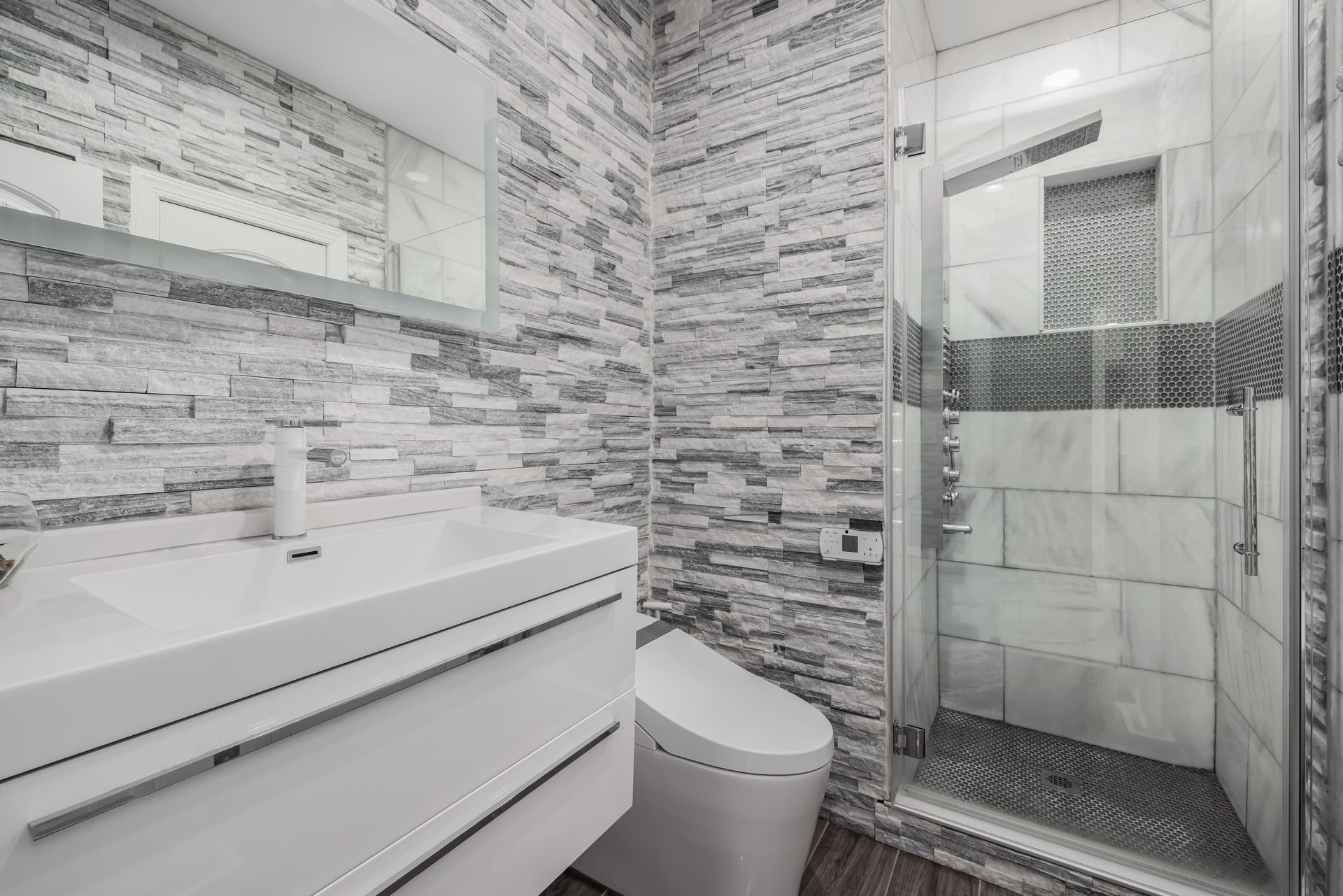
How Bathroom Remodels Address Code and Comfort
Bathroom renovations in older properties must meet current building codes for waterproofing, electrical safety near water sources, and ventilation capacity, all of which were less stringent when the original bathroom was built. The process starts with measuring the existing space, identifying whether plumbing vents and drains can be relocated without major structural changes, and determining what substrate repairs are needed before new tile or flooring can be installed.
When the project completes, you step onto tile floors that drain properly without puddles forming near the shower, turn on faucets that deliver consistent water pressure and temperature, and notice that mirrors no longer fog over because the ventilation fan actually removes humid air. Grout lines remain intact without cracking, toilet flanges sit flush and secure, and all fixture mounting points are solid because backing was installed correctly during the framing phase.
Scope includes demolition and debris removal, subfloor replacement where water damage has occurred, installation of waterproof backer board and membrane systems under tile, precise tile layout and setting, grout and caulk application, and coordination with licensed plumbers for code-required fixture installations. Electrical work often involves adding GFCI-protected outlets and upgraded lighting circuits.
Answers to Frequent Service Questions
Bathroom remodels raise practical concerns about moisture management, fixture choices, and how to maintain daily routines during construction.
What waterproofing steps are required before tile installation?
A waterproof membrane is applied to walls and floors in wet areas, seams are sealed, and the system is tested before any tile is set to prevent water from reaching framing or subfloors.
How do you manage a bathroom remodel when it is the only bathroom in the home?
Work is scheduled so that the toilet and sink are reconnected each evening, allowing basic use overnight, and the shower or tub remains out of service only during the days when plumbing or tile work makes reconnection impractical.
Why do older Vermont bathrooms often need ventilation upgrades?
Many were built with undersized fans or no exterior venting, causing moisture to accumulate and damage paint, drywall, and framing over time, especially during winter months when windows remain closed.
What plumbing changes are common during a bathroom remodel?
Supply lines are often relocated to accommodate new vanity or fixture positions, drain stacks may be adjusted to meet code clearances, and old galvanized or corroded piping is replaced with modern materials that resist leaks.
How long does tile work take from substrate prep through grouting?
Tile installation spans several days to allow for mortar curing between substrate, tile setting, and grout application, with each phase requiring adequate dry time before the next step begins.
Towsley Handyman Services LLC manages the full bathroom remodeling process, handling wet-trade complexity and coordinating plumbing, tile, and ventilation work to deliver a finished space that functions correctly and resists moisture damage. Request a project consultation at (802) 578-3142 to review your bathroom's current condition and discuss renovation options.