
Lawns Maintained Through the Full Season
Lawn Care & Property Maintenance in Burlington for properties requiring regular mowing and seasonal snow removal
Burlington properties experience a compressed growing season from late April through October, followed by months of snow accumulation that require plowing and removal. Towsley Handyman Services LLC provides lawn maintenance—mowing, weed whacking, and edging—on a regular schedule during the growing months, and snow removal service during winter. The seasonal climate here demands consistent property upkeep to prevent overgrowth in summer and accessibility issues in winter.
Lawn care involves cutting grass at a height that promotes root density without scalping, trimming edges along walkways and beds where mowers can't reach, and removing clippings that would otherwise smother turf during periods of rapid growth. Snow removal clears driveways, walkways, and parking areas after storms, preventing ice buildup as temperatures fluctuate and snow compacts into slippery layers.
Request a property evaluation to establish a mowing schedule aligned with your lawn's growth rate and drainage conditions.
How Regular Maintenance Prevents Larger Problems
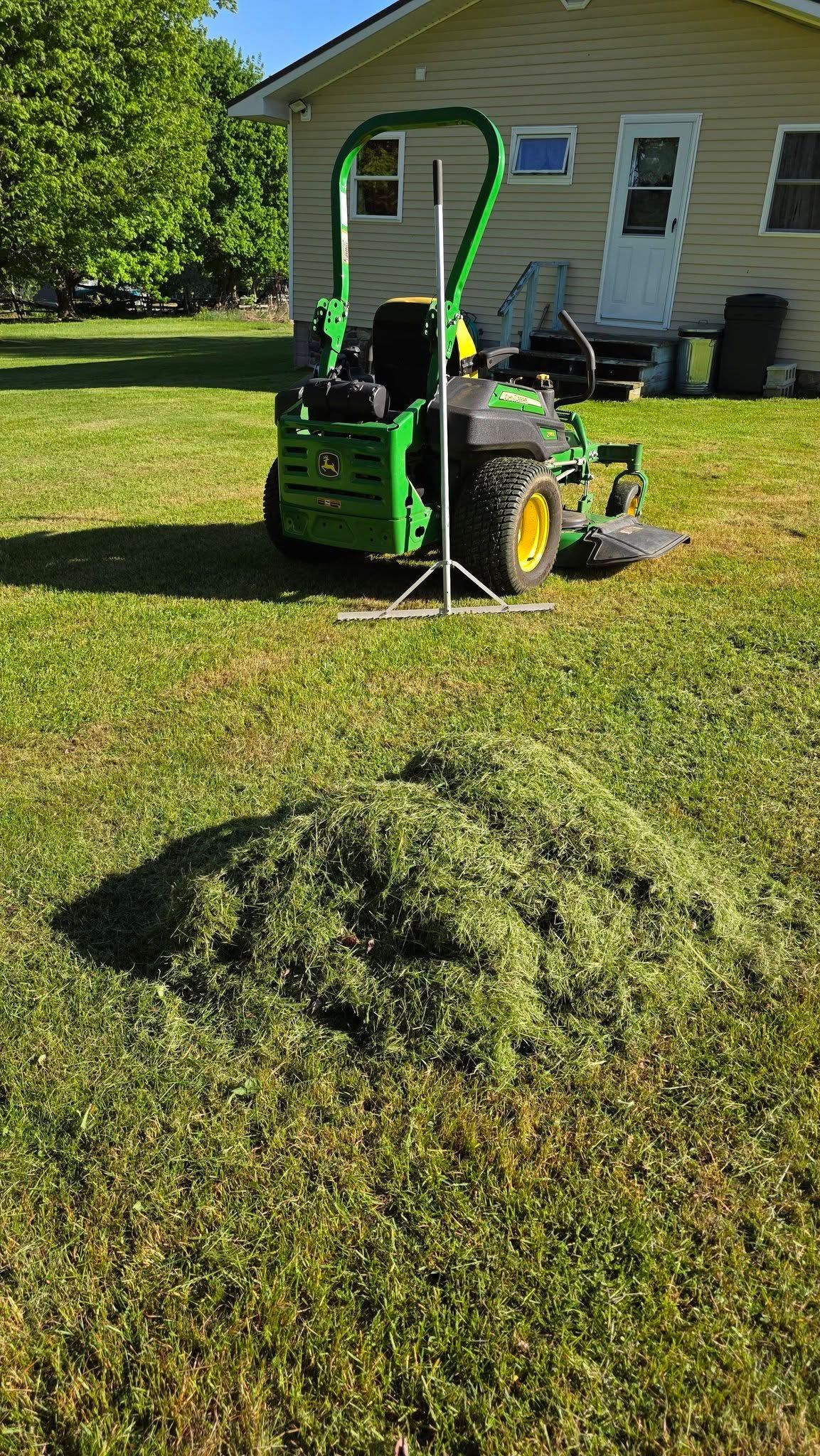
Mowing frequency depends on rainfall and temperature—during May and June, grass often requires cutting weekly, while August growth slows enough to extend intervals to ten days. Weed whacking addresses areas where mower decks can't fit, preventing tall grass from going to seed and spreading across maintained turf. Edging creates a clean boundary that stops grass from creeping into mulched beds or across walkway edges.
After mowing, turf looks uniform in height and color, with no tire ruts or uncut strips. Walkway edges appear sharp and free of overgrowth, and weed whacking eliminates the shaggy perimeter that makes even a freshly mowed lawn look unfinished. Snow removal leaves pavement visible and safe for foot traffic, without the ridges and piles that create tripping hazards as snow melts and refreezes overnight.
Seasonal transitions matter for timing—final fall mowing should occur after grass stops actively growing but before snow covers the ground, preventing matted turf that fosters fungal growth during spring thaw. Snow removal service includes both plowing and hand-clearing steps where needed, ensuring all access points remain usable throughout winter.
What Property Owners Usually Ask
Homeowners managing seasonal property maintenance in Vermont often have questions about frequency, timing, and what's included in service visits.
How often does lawn mowing need to happen during peak growing season?
Most Georgia properties require mowing every five to seven days in May and June when rainfall and warm temperatures drive rapid growth, then spacing extends to every ten to fourteen days by August.
What does weed whacking cover that mowing doesn't?
Weed whacking trims grass around obstacles like fence posts, tree trunks, foundation edges, and garden bed borders where mower decks can't maneuver without damaging equipment or structures.
When should snow removal begin after a storm?
Plowing typically starts once accumulation reaches three to four inches, preventing compaction that turns snow into dense, difficult-to-move layers as vehicles drive over it before it's cleared.
Why does edging matter for lawn appearance?
Edging cuts a vertical line between lawn and hardscape or beds, stopping grass from feathering across pavement and creating a defined border that makes mowed turf look intentionally maintained rather than simply cut.
What's the difference between snow plowing and snow removal?
Snow plowing pushes accumulation to the side of driveways and parking areas, while snow removal involves loading and hauling snow off-site when space for piling runs out during heavy or prolonged winter storms.
Towsley Handyman Services LLC manages the seasonal demands of lawn care and snow removal for residential properties in Northern Vermont. Set up a consultation to discuss scheduling options and service frequency based on your property's specific conditions.