
Gardens That Handle Vermont's Growing Season
Landscaping Services in Burlington for residential properties needing seasonal garden care and bed preparation
Towsley Handyman Services LLC handles landscaping work in Northern Vermont—edging, weeding, garden maintenance, plantings, and mulch installation—for homeowners managing the spring-to-fall cycle. You need this if planted beds require seasonal preparation, perimeter edging has overgrown, or mulch layers have thinned after winter melt. Vermont's freeze-thaw cycle disrupts bed edges and displaces mulch annually, making spring garden prep a recurring maintenance task.
The work involves preparing garden beds for planting, hand-edging borders to restore clean lines, removing weeds before they seed, and installing mulch or stone to regulate soil temperature and moisture. Plant selection accounts for Vermont's hardiness zone, ensuring species survive the shortened growing season and late-spring frosts common in this region.
Schedule a property evaluation to identify which beds need edge restoration and mulch replenishment.
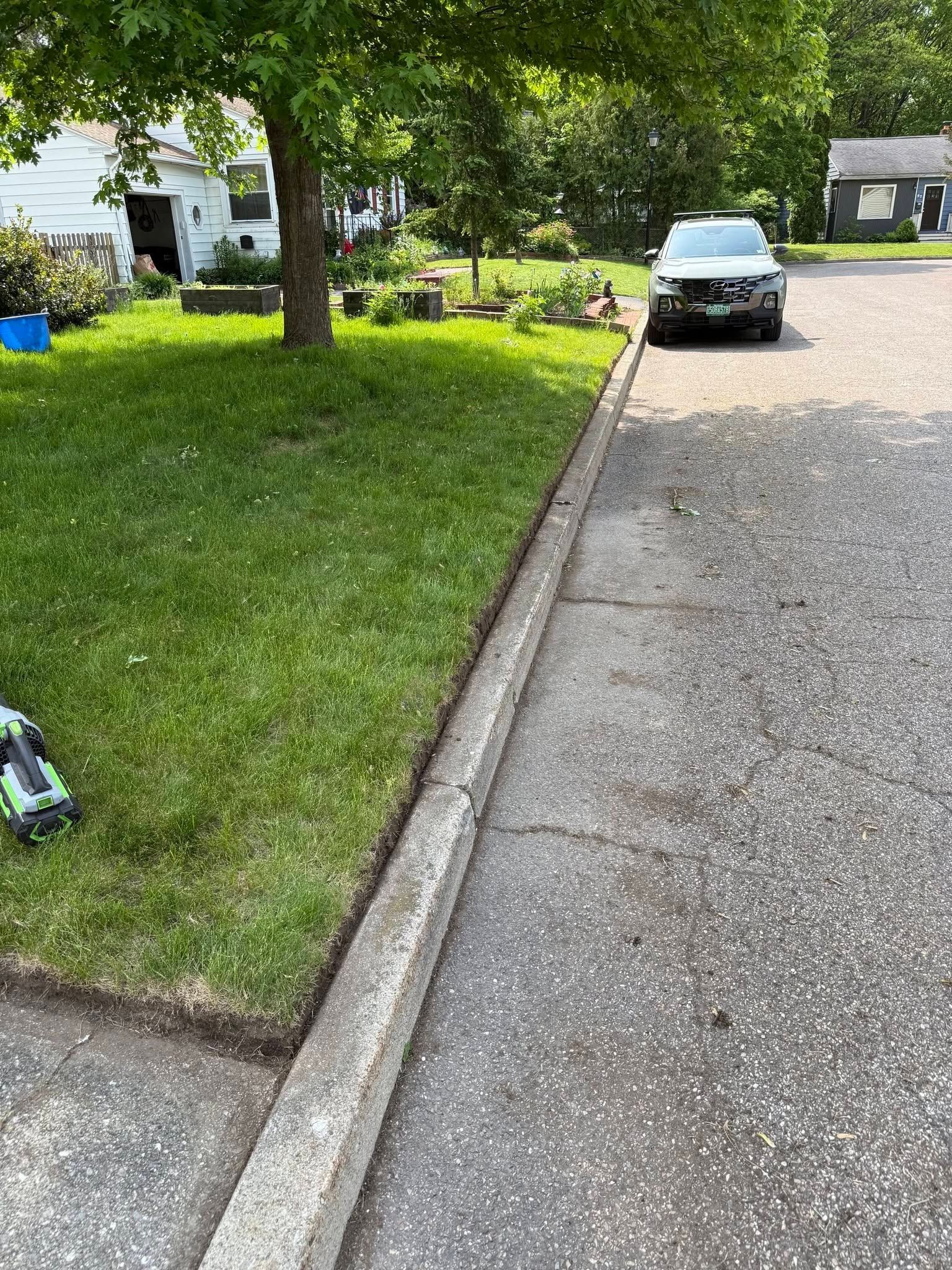
What Happens During Garden Bed Preparation
Garden preparation begins with clearing debris left from winter and assessing which plants survived dormancy. Hand edging reestablishes the boundary between lawn and bed, preventing grass infiltration that competes with plantings for water and nutrients. Weeding removes root systems before they spread, and mulch installation creates a two-to-three-inch layer that moderates soil temperature swings during Vermont's unpredictable spring weather.
After the work is finished, bed edges appear defined and level, mulch coverage looks uniform without gaps, and plantings have space to establish without weed competition. Garden beds drain properly because mulch allows water to infiltrate while preventing surface erosion during heavy rain. Towsley Handyman Services LLC selects plants suited to Vermont's shortened growing window, reducing the likelihood of frost damage in late May or early September.
Seasonal timing matters for this work—spring prep ideally occurs after the last hard frost but before soil temperatures rise enough to trigger weed germination. Fall maintenance focuses on mulch replenishment and removing spent annuals before snowfall, which prevents matted organic material from smothering perennials during winter dormancy.
Common Questions About This Service
Homeowners in Burlington often ask about timing, materials, and maintenance frequency before starting garden work.
When should landscaping work begin in Northern Vermont?
Garden bed preparation typically starts in mid-to-late April after soil thaws and drains, allowing edging tools to cut cleanly without compacting wet ground.
What type of mulch works best for Vermont gardens?
Shredded hardwood bark mulch resists compaction during freeze-thaw cycles and breaks down slowly, reducing the need for annual replacement while improving soil structure over time.
How often do garden beds need weeding during the growing season?
Most residential beds require weeding every three to four weeks from May through September, with the highest weed pressure occurring in June when soil temperatures favor germination.
What does edging actually accomplish for planted areas?
Hand edging creates a physical barrier that prevents grass rhizomes from spreading into beds and establishes a clean visual line that defines planted areas from lawn zones.
Why does mulch need replacement each year?
Vermont winters displace mulch through frost heave and snowmelt runoff, and organic mulch decomposes naturally, thinning to the point where it no longer regulates soil temperature or suppresses weed growth effectively.
Towsley Handyman Services LLC provides landscaping for residential properties managing the seasonal demands of Vermont gardening. Request a consultation to review which garden areas need immediate attention and which can wait until fall maintenance.